Where the word tsundere comes from
Tsundere joins two Japanese sound-symbolic words: tsun-tsun, for being curt and standoffish, and dere-dere, for going soft and lovey-dovey. It is generally traced to Japanese internet forums in the early 2000s, where visual novel fans used it for heroines who are harsh with the protagonist at first and warm up over the route.
By the mid-2000s, a run of hit anime made it one of the best-known otaku words in Japan; voice actress Rie Kugimiya played so many of these heroines that fans nicknamed her the "queen of tsundere". Today Japanese people use it in everyday speech too, like calling an aloof cat "tsundere".
In English, "tsundere" is borrowed as-is and needs no translation in anime, fanfic or gaming spaces.
Tsundere traits
The classic tsundere comes with a recognizable set of habits.
Defensive denial
Point out that they care and you get an instant "Huh? As if." The cold front is almost always embarrassment.
Rude words, kind actions
"Fine, I'll help, since you're hopeless." Meanwhile they have already fixed the problem before you asked.
Pride
Confessing first feels like losing. That is exactly why it hits so hard when the truth slips out.
Blushing and stammering
Hit a nerve and they go red and start with "I-it's not like..." The stutter is practically a trademark.
Rare dere
The less often they soften, the more each moment is worth. Plenty of fans prefer a 9:1 tsun-to-dere ratio.
Types of tsundere
Fans usually split tsundere into two big types, with a few spin-offs.
Gradual (classic)
Harsh when you first meet, warmer as the relationship develops. This is the original meaning of the word.
Situational (two-faced)
Prickly in public, sweet in private. The feelings are already there; an audience just makes them impossible to admit.
Embarrassment-triggered
Reflexively snaps when thanked or complimented. The crush is obvious to everyone but them.
Tsundra
Almost all tsun, barely any dere. A pun on "tundra", the frozen ground.
Deretsun
Sweet by default, prickly exactly when it matters. The reverse of the classic pattern.
Famous tsundere characters
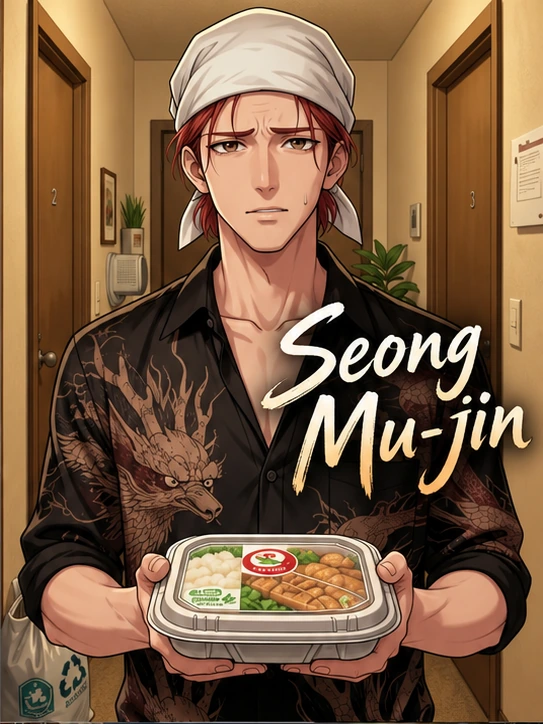
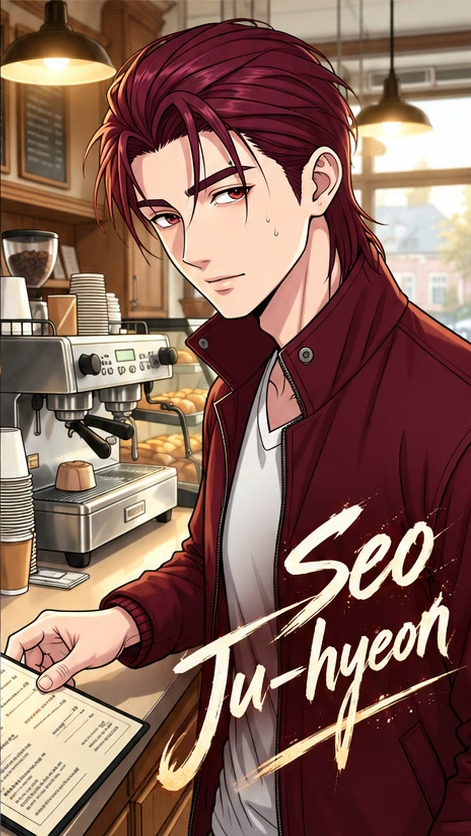
Names that come up whenever fans talk about tsundere. The type works for any gender, and male tsunderes are a reader-insert staple.
Asuka Langley Soryu Neon Genesis Evangelion
Often cited as a proto-tsundere, before the word itself caught on.
Rin Tohsaka Fate/stay night
Proud honor student who keeps ending up looking after the protagonist; a textbook tsundere heroine.
Taiga Aisaka Toradora!
The tiny, ferocious "Palmtop Tiger" and an icon of the genre's peak years.
Shintaro Midorima Kuroko's Basketball
Formal, proud and never straightforward; usually the first name fans give for a male tsundere.
Katsuki Bakugo My Hero Academia
Explosive mouth, growing respect for his classmates; fans often read him as tsundere.
Character readings vary; these reflect common fan interpretations.
Tsundere vs kuudere vs downer vs yandere
The "-dere" family is easiest to tell apart by how they act toward everyone else and how their affection shows.
| Type | Default attitude | How affection shows |
|---|---|---|
| Tsundere | Combative, sharp-tongued | Flustered, slips out in unguarded moments |
| Kuudere | Calm, expressionless, matter-of-fact | Quietly, through actions or a single line |
| Downer-kei | Low-energy, languid | Still lazy, but only bothers for you |
| Yandere | Often normal or even sweet | Heavy, possessive, eliminates rivals |
| Supadari | Composed and gentlemanly | Openly, generously, from day one |
Tsundere in x reader and dream novels
In a reader-insert story, the whole point of a tsundere love interest is that the dere is for you. Fans happily sit through chapters of bickering for the one line where he finally admits it.
If you are writing one, ration the softness. Let the tsun be real, then deliver the dere in something small: a single sentence, a gesture, the first time he says Y/N's name instead of a nickname.
Classic tsundere scenarios
- "I didn't buy this for you" while handing over your favorite snack
- He sees you talking to someone else and can't explain why he's in a mood
- "Don't get me sick," he says, and then never leaves your side
- A half-asleep or slightly drunk confession he will deny tomorrow
- The final chapter, where he calls you by your first name for the first time
Related pages
Tsundere test
How tsundere are you? Find your type in 10 questions.
Kuudere meaning
Cool instead of prickly: the expressionless type and how it differs.
Downer-kei meaning
Sleepy, languid and low-energy: the archetype everyone is suddenly into.
What is a yandere?
When the dere goes too far. Meaning and six types of yandere.
Rivals-to-lovers stories
Romance that starts with friction, a natural home for tsunderes.
Slow burn stories
The gradual tsundere's favorite pace.
Yumejoshi quiz
Team tsundere or team supadari? Find your dream-novel type.