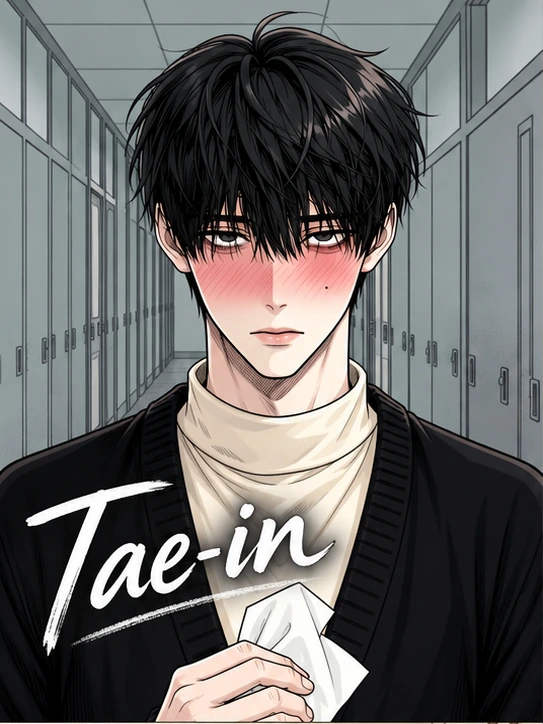
Where doutan kyohi comes from
Japanese idol fans, particularly in the Johnny's (now STARTO ENTERTAINMENT) fandom, call the member they personally support their 担当 (tantō, "the one I'm in charge of"). Fans of the same member are 同担 (doutan, "same tantō"); fans of other members are 他担 (tatan).
同担拒否 ("refusing doutan") grew out of that and spread from idol fandom to anime, games, VTubers and 2.5D stage fandom. These days most people just say "oshi" instead of tantō, and doutan means anyone who loves the same oshi.
It is often shortened to 同拒 (dōkyo).
Why people choose doutan kyohi
It is rarely about disliking other fans. Common reasons include:
Possessiveness / riako
If you are genuinely in love with your oshi (riako), other fans can feel like romantic rivals.
Comparison fatigue
Seeing someone with more merch, more concerts or more fan service can drain the joy from your own fandom.
Clashing interpretations
Different takes on the character (kaishaku-chigai) can be upsetting, so distance is easier.
Protecting the dream
For self-shippers, seeing someone else's relationship with the same character can break their own story.
Avoiding drama
Some have been through one-upping or fights before and set the boundary in advance.
Doutan kyohi and related terms
Doutan kyohi (dōkyo)
Not interacting with same-oshi fans; please don't follow or reply.
Doutan OK / doutan welcome
Happy to connect with same-oshi fans. Some bios say "same-oshi friends, please say hi!"
Soft doutan kyohi
Mostly a no, with exceptions: mutuals are fine, or talking about episodes is fine.
Dōyume kyohi
A self-shipper term: avoiding other people who self-ship with the same character.
Tatan
A fan of a different oshi. Many doutan kyohi fans are very friendly with tatan.
How it looks in a bio
Typical bio lines you will see on Japanese fan accounts (translated).
"[Name] fan | doutan kyohi" Simple
The most common format: oshi name plus stance.
"Doutan kyohi. I will block, sorry in advance." Direct
A heads-up that same-oshi follows get blocked.
"Doutan, feel free to follow!" Doutan OK
Signals that same-oshi fans are welcome.
"Soft doutan kyohi | fine to share reactions" Flexible
Spelling out exactly what is OK prevents misunderstandings.
"[Character] yume | dōyume kyohi" Self-shipper
A yumejoshi asking others who ship themselves with the same character to keep distance.
Doutan kyohi vs doutan OK vs riako vs yumejoshi
Words that often sit side by side in a Japanese fan bio, and how they relate.
| Term | Meaning | Key point |
|---|---|---|
| Doutan kyohi | Not interacting with same-oshi fans | A boundary for your own enjoyment, not an insult |
| Doutan OK | Welcoming same-oshi fans | For people who want to share the fun |
| Riako | Real romantic feelings for an oshi | Riako fans often choose doutan kyohi |
| Yumejoshi | A self-shipper who enjoys dream novels | May write "dōyume kyohi" or "dōyume OK" |
| Tatan | A fan of a different oshi | Usually welcome even for doutan kyohi fans |
Doutan kyohi among self-shippers
In the yumejoshi (self-shipper) community, doutan kyohi is common. If you have built a relationship between your self-insert and a character across dozens of stories, seeing that same character in love with someone else's OC can shake the whole thing. That's why many bios go further: "dōyume kyohi", "my self-insert has a face, heads up".
Plenty of self-shippers are doutan OK and love swapping fics about the same character, too. Neither is right or wrong. The etiquette that has settled in is simple: state your stance in your bio, respect other people's, and use mute or block quietly instead of starting fights.
Etiquette for both sides
- Put your stance (doutan kyohi, doutan OK, soft) clearly in your bio
- Don't push follows or replies on someone who is doutan kyohi
- Mute or block what you don't want to see; don't attack
- Don't call other people's stance petty or immature
- Tag self-insert fics and art clearly so people can filter
Related pages
Riako meaning
Being genuinely in love with your oshi, the most common reason for doutan kyohi.
Yumejoshi meaning
The self-shipper culture behind dōyume kyohi.
Yume nushi meaning
The self-insert protagonist of a dream novel.
Yumejoshi quiz
What kind of self-shipper are you? Take the quiz.
Browse tropes
Find x reader scenarios with your oshi by theme.