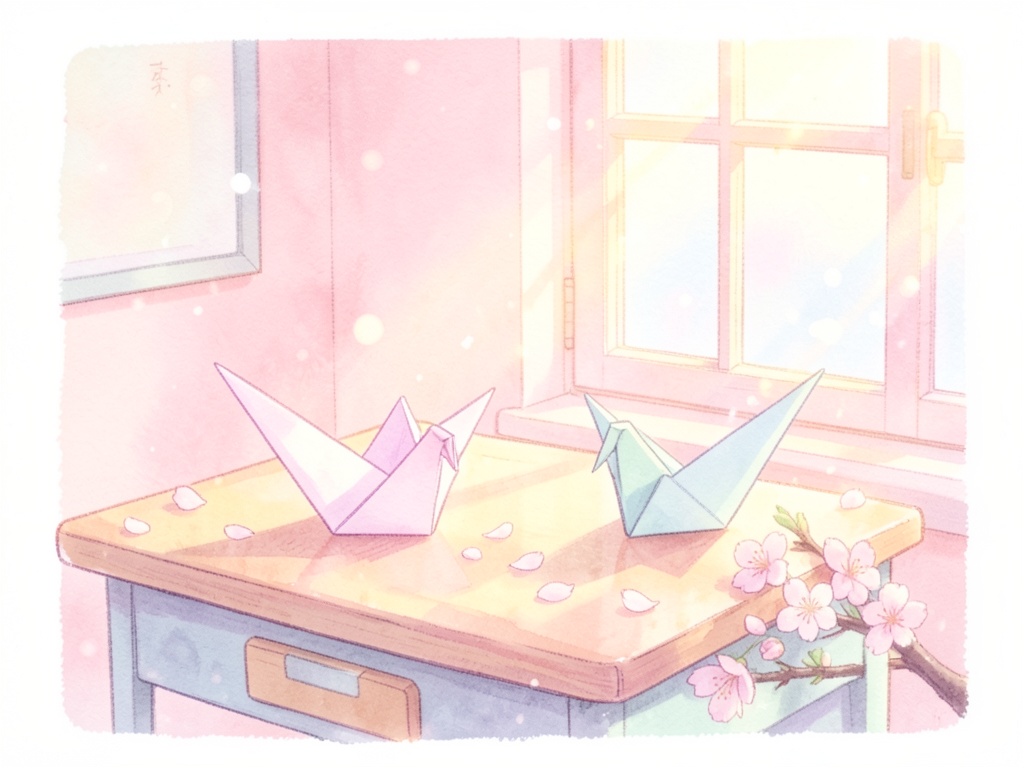
Childhood Friends: A Deep Dive into Nostalgia and Romance
The Childhood Friends trope, often referred to as osananajimi (幼馴染) in Japanese media, is a beloved romantic trope that explores the unique connection and potential for love between characters who have known each other since childhood. It's a cornerstone of many dream novels, x reader stories, anime, manga, and even general fiction. This article delves into the elements that make this trope so appealing and provides resources for finding and enjoying these heartwarming stories.
What Defines the Childhood Friends Trope?
At its core, the Childhood Friends trope involves two (or sometimes more) characters who have shared a significant portion of their lives together, growing up side-by-side. This shared history creates a strong bond built on familiarity, trust, and often, unspoken understanding. The romantic element usually arises when these characters reach a point in their lives, often adolescence or adulthood, where they begin to see each other in a new, romantic light. Key elements include:
- Shared History: Years of memories, inside jokes, and shared experiences form the foundation of their relationship.
- Familiarity and Comfort: They know each other's quirks, strengths, and weaknesses intimately, fostering a sense of comfort and security.
- Potential for Romantic Development: The shift from platonic friendship to romantic interest creates a compelling and relatable narrative arc.
- The Reunion Element (Optional): Sometimes, the trope involves a period of separation and a subsequent reunion, amplifying the emotional impact of their reconnected bond.
The Psychological Appeal of Osananajimi
The Childhood Friends trope resonates with readers and viewers for several reasons rooted in human psychology:
- Nostalgia: It evokes a sense of nostalgia for simpler times and the innocence of childhood friendships. It reminds us of the comfort and security we felt in our earliest relationships.
- Trust and Security: The established trust between the characters provides a sense of safety and stability in the relationship, a comforting contrast to the uncertainty of new romances.
- Sense of Belonging: The characters often feel a strong sense of belonging and acceptance within each other's lives, fulfilling a fundamental human need.
- Relatability: Many people can relate to having close childhood friends, making the trope more grounded and believable.
- Slow Burn Romance: The slow-burn nature of the romance, as they gradually realize their feelings for each other, can be incredibly satisfying and emotionally rewarding.
Common Character Types in Childhood Friends Stories
While variations exist, certain character archetypes frequently appear within this trope:
- The Childhood Sweetheart: One character has harbored romantic feelings for the other since childhood, patiently waiting for their feelings to be reciprocated. They are often depicted as kind, loyal, and supportive.
- The Tsundere: This character is initially cold or aloof but gradually reveals their affection for their childhood friend. Their behavior stems from shyness or a fear of vulnerability.
- The Protector/Defender: This character has always been fiercely protective of their childhood friend, acting as their guardian and confidant. Their protective instincts often mask deeper romantic feelings.
- The Reliable Pillar: Always there to offer support and a listening ear, this character is a constant presence in their childhood friend's life. They are stable, dependable, and a source of comfort.
- The Oblivious One: This character is completely unaware of their childhood friend's romantic feelings, or even their own. Their obliviousness often creates comedic situations and fuels the romantic tension.
Popular Patterns and Story Arcs
Several common patterns emerge in Childhood Friends stories:
- The Realization: One or both characters gradually realize their feelings for each other, often triggered by a specific event or encounter.
- The Love Rival: A third party enters the picture, creating jealousy and forcing the characters to confront their feelings.
- The Confession: One character confesses their feelings to the other, leading to either acceptance or rejection (and subsequent character development).
- The Distance: Physical or emotional distance tests the strength of their bond, forcing them to re-evaluate their relationship.
- The Re-discovery: After a period of separation, the characters reunite and rediscover their feelings for each other, often with renewed intensity.
How to Enjoy Childhood Friends Stories
Whether you're a seasoned fan or new to the trope, here are some tips for maximizing your enjoyment:
- Embrace the Nostalgia: Allow yourself to be swept away by the feeling of nostalgia and the comfort of familiar relationships.
- Pay Attention to the Subtleties: Look for the subtle cues and unspoken gestures that reveal the characters' true feelings.
- Appreciate the Character Development: Observe how the characters grow and evolve as they navigate their changing relationship.
- Be Patient with the Slow Burn: The romance often unfolds gradually, so enjoy the journey and savor the anticipation.
- Explore Different Variations: Experiment with different types of Childhood Friends stories, from lighthearted comedies to angsty dramas.
By understanding the underlying elements and psychological appeal of the Childhood Friends trope, you can fully appreciate the heartwarming and emotionally resonant stories it has to offer. Whether you're searching for a comforting read or a thrilling x reader experience, the world of osananajimi awaits!