What is a Yumejoshi?
(ゆめじょし)
The culture, practices, and etiquette of dream novel fans
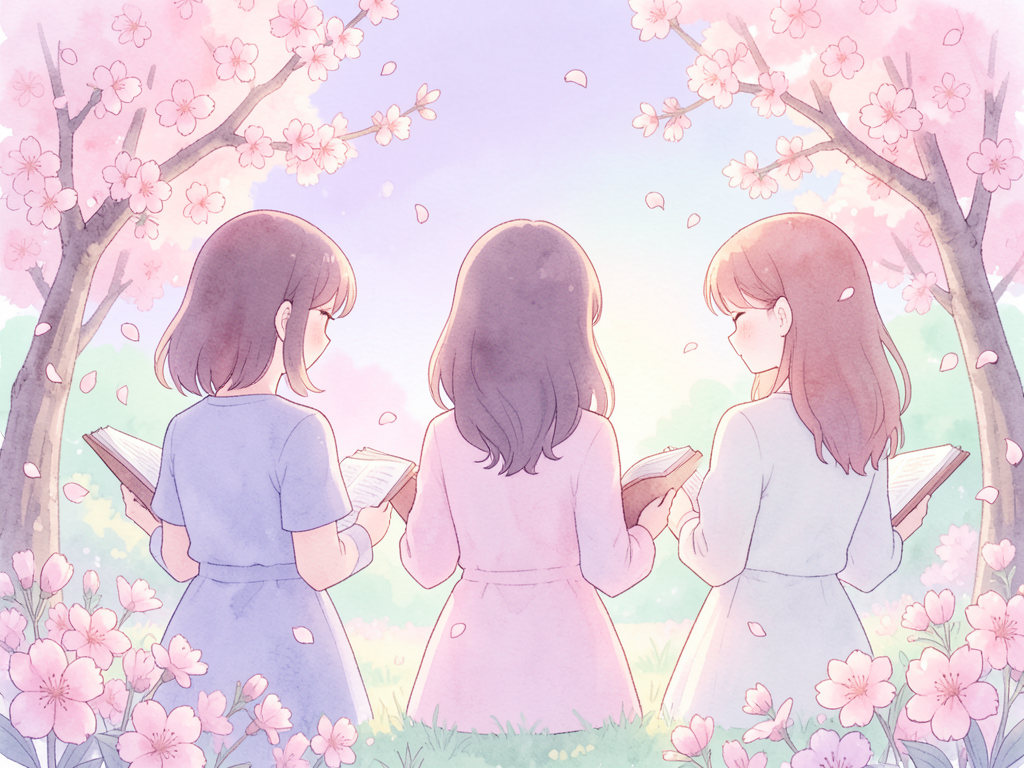
Yumejoshi (夢女子) are fans — historically women — who read and write yume shousetsu (dream novels), experiencing romance and relationships with anime, manga, and game characters by projecting themselves as the protagonist. The term is often shortened to 'yumejo', which is also where this site's name comes from.
- Fans (usually women) who read or write dream novels
- Enjoy their 'oshi' (favorite character) through first-person narratives
- Distinct from BL/GL fans or shippers — different orientation
- Increasing male and non-binary participation in recent years
- Community hubs on X/Twitter and pixiv via hashtags like #夢女子
Yumejoshi vs Yume Nushi
The terms 'yumejoshi' and 'yume nushi' sound similar but refer to different things.
Yumejoshi (the reader/writer)
- A real person who reads or writes dream novels
- Usually has a specific 'oshi' (favorite character)
- Connects with other fans on social media
- Might introduce themselves as '5-year yumejoshi', etc.
Yume Nushi (the protagonist)
- The protagonist within the dream novel itself
- A self-insert character for the reader
- Their name gets replaced via name conversion
- Sometimes authors use an 'ori-nushi' (original) instead
Yumejoshi Culture and Practices
Part of 'oshi-katsu' (fan activity)
Dream novels are a way to deepen one's relationship with a favorite character — a different axis from fan art or analysis-driven fan activity.
Dream names (yume-mei)
Many yumejoshi adopt a 'dream name' for themselves — a handle used when engaging with a character. In community, people sometimes address each other by dream name.
Trope discussions
'What if my oshi were a yandere?' 'What if this canon moment had a different framing?' — swapping trope scenarios is a core community pastime.
Anniversaries with the oshi
Birthdays, canon-important dates, personal 'our anniversary' dates — building a time-framed headcanon relationship with the character.
Community Etiquette
- ✓ Dream novels are fiction and headcanon — avoid projecting onto the real voice actors, writers, or original creators
- ✓ Respect boundaries with shippers (characters-in-relationships fans) — different spaces, don't step on toes
- ✓ Tag R18/mature content clearly
- ✓ Don't criticize other yumejoshi's oshis, dream names, or works
- ✓ Many people use locked accounts or dedicated 'writer-only' accounts to keep personal/fan life separate
FAQ: Yumejoshi
What's the difference between yumejoshi and fujoshi?
Yumejoshi enjoy 'self-with-character' relationships. Fujoshi enjoy character/character relationships (typically BL). Both are fan fiction communities, but the focus of enjoyment is opposite. Some people engage with both.
Are there male yumejoshi?
Yes. The scene historically was women-led, but you'll increasingly hear terms like 'yumedanshi' or simply 'guys in the yume community'. It's becoming gender-inclusive.
Do I need a 'dream name'?
Not required, but many yumejoshi use one. It's a handle you use when engaging with the character, often also what you put into name-conversion forms.
How do I join the yumejoshi community?
Start by following #夢女子 or #夢界隈 on X/Twitter, or browsing pixiv tags. Reading a few dream novels with name conversion is a natural entry point.
I've heard yumejoshi described as 'cringe'. Is that fair?
Some people throw that label around, but it's just a different style of fan engagement. Like any form of fan fiction, it's self-contained headcanon — as long as you respect community norms, there's nothing wrong with it.
Want to *actually* talk to your oshi?
SideHop is a service where AI takes on your favorite character and chats with you live. A natural extension of what yumejoshi have always wanted.
Try SideHop Free